
Description
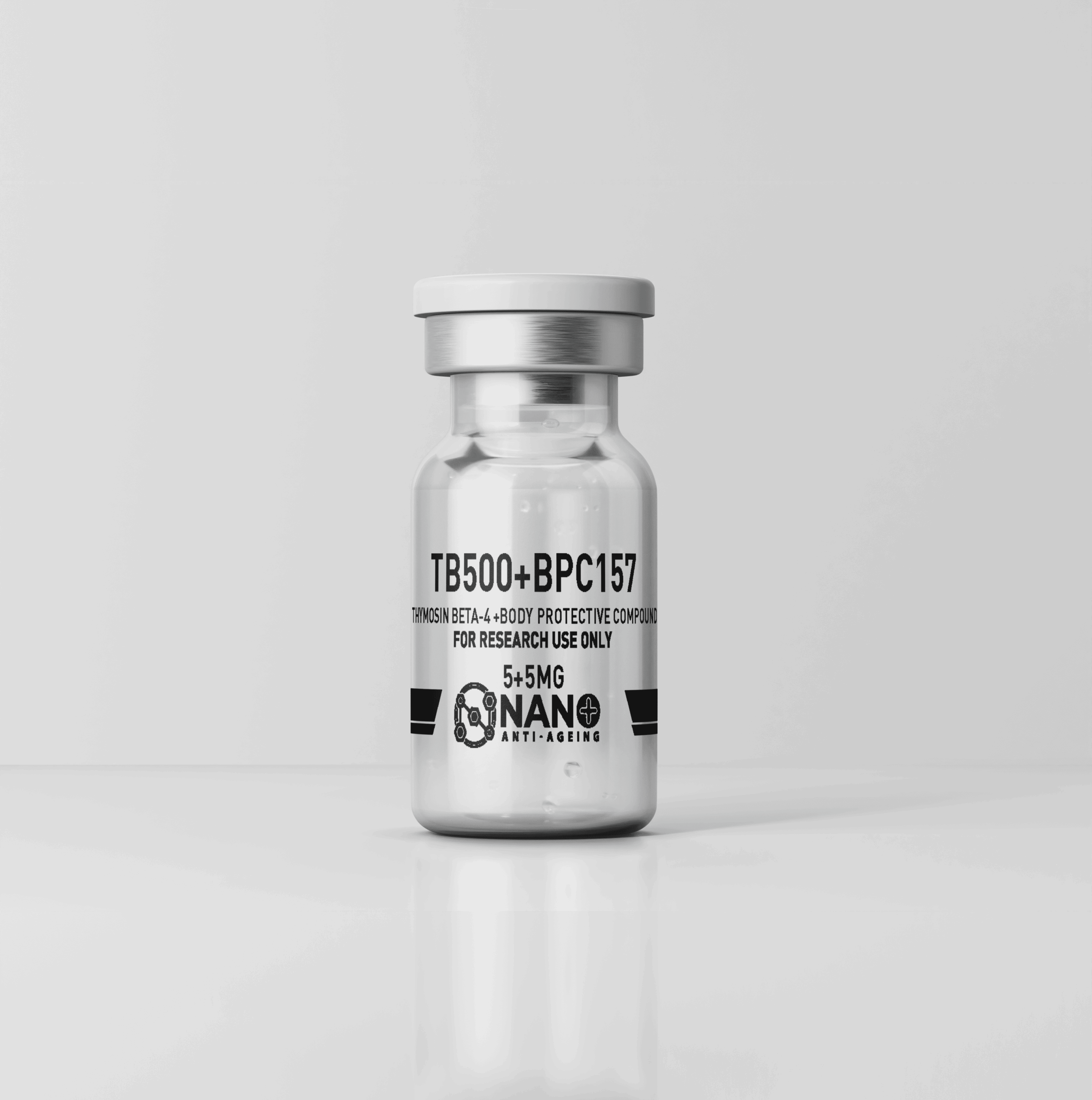
The combination of TB-500 (Thymosin Beta-4) and BPC-157 (Body Protective Compound-157) has gained attention in the fields of sports medicine and regenerative medicine due to their potential effects on healing and recovery processes. Both peptides have demonstrated biological activity in promoting tissue repair and reducing inflammation in various animal models (Krivić et al., 2006; (Balenović & Barišić, 2012; .
Mechanisms of Action
TB-500 is primarily known for its role in promoting cell migration, tissue regeneration, and angiogenesis. It enhances the healing process by facilitating the movement of cells necessary for tissue repair and stimulating the production of new blood vessels, which are essential for supplying nutrients and oxygen to injured tissues Meštrović et al., 2022).
BPC-157, on the other hand, has been shown to have protective and healing effects on tendons, ligaments, muscles, and other tissues. Its mechanism includes promoting tendon-to-bone healing and counteracting the detrimental effects of corticosteroids on connective tissues (Krivić et al., 2006; . BPC-157 enhances cell proliferation, migration, and collagen synthesis, making it effective in promoting various aspects of wound healing and tissue regeneration (Perović et al., 2019; .
Recommended Dosage and Usage
Dosage: Recommended dosages for TB-500 typically range from 2 to 10 mg, administered subcutaneously or intramuscularly. BPC-157 is often dosed at approximately 200 to 500 micrograms per injection. Combining these peptides may enhance their therapeutic effects in healing injuries or repairing damaged tissues Peklić et al., 2017). Suggested routines include administering TB-500 every few days alongside BPC-157 for more immediate and effective healing outcomes.
Administration Method: Both peptides are generally delivered through subcutaneous injections, allowing for effective absorption and localized action near the site of injury for optimal effects (Jung et al., 2022; (Starešinić et al., 2003; .
Clinical Applications
The combination of TB-500 and BPC-157 has shown promise in several clinical scenarios:
- Muscle and Tendon Injuries: Research suggests that the combination may enhance recovery from muscle strains and tendon injuries. Studies have indicated that administering BPC-157 alongside TB-500 following surgical procedures can promote faster regeneration of muscle fibers and tendons (Krivić et al., 2006; (Perović et al., 2019; .
- Joint Injuries and Healing: Used together, both peptides may improve joint repair processes and reduce inflammation, potentially leading to quicker recovery from joint injuries (Starešinić et al., 2003; Perović et al., 2019).
- Chronic Injuries: For individuals dealing with long-term injuries or conditions such as tendinitis, the combination of TB-500 and BPC-157 may offer enhanced healing properties, improving outcomes where conventional therapies may be inadequate (Balenović & Barišić, 2012; Peklić et al., 2017).
- Post-Surgical Recovery: There is interest in using this combination therapy to assist in recovery following surgical interventions involving soft tissues, as both peptides can mitigate inflammation and promote healing while improving cellular function in the affected area (Perović et al., 2019; Sever et al., 2008).
Safety and Considerations
The safety profiles for TB-500 and BPC-157 appear favorable based on existing studies; however, caution is advised regarding unregulated use outside of clinical supervision. Potential side effects may include localized reactions at injection sites or possible systemic effects (Krivić et al., 2006; Meštrović et al., 2022).
Conclusion
The combination of TB-500 and BPC-157 presents a potentially advantageous strategy for enhancing tissue repair and reducing recovery time from injuries. With recommended dosages varying for each peptide, this combination holds potential for various applications in sports medicine, rehabilitation, and regenerative therapies. Continued research and clinical data will be vital to fully elucidate the benefits and safety of this peptide pairing.

Reviews
There are no reviews yet.