
Description
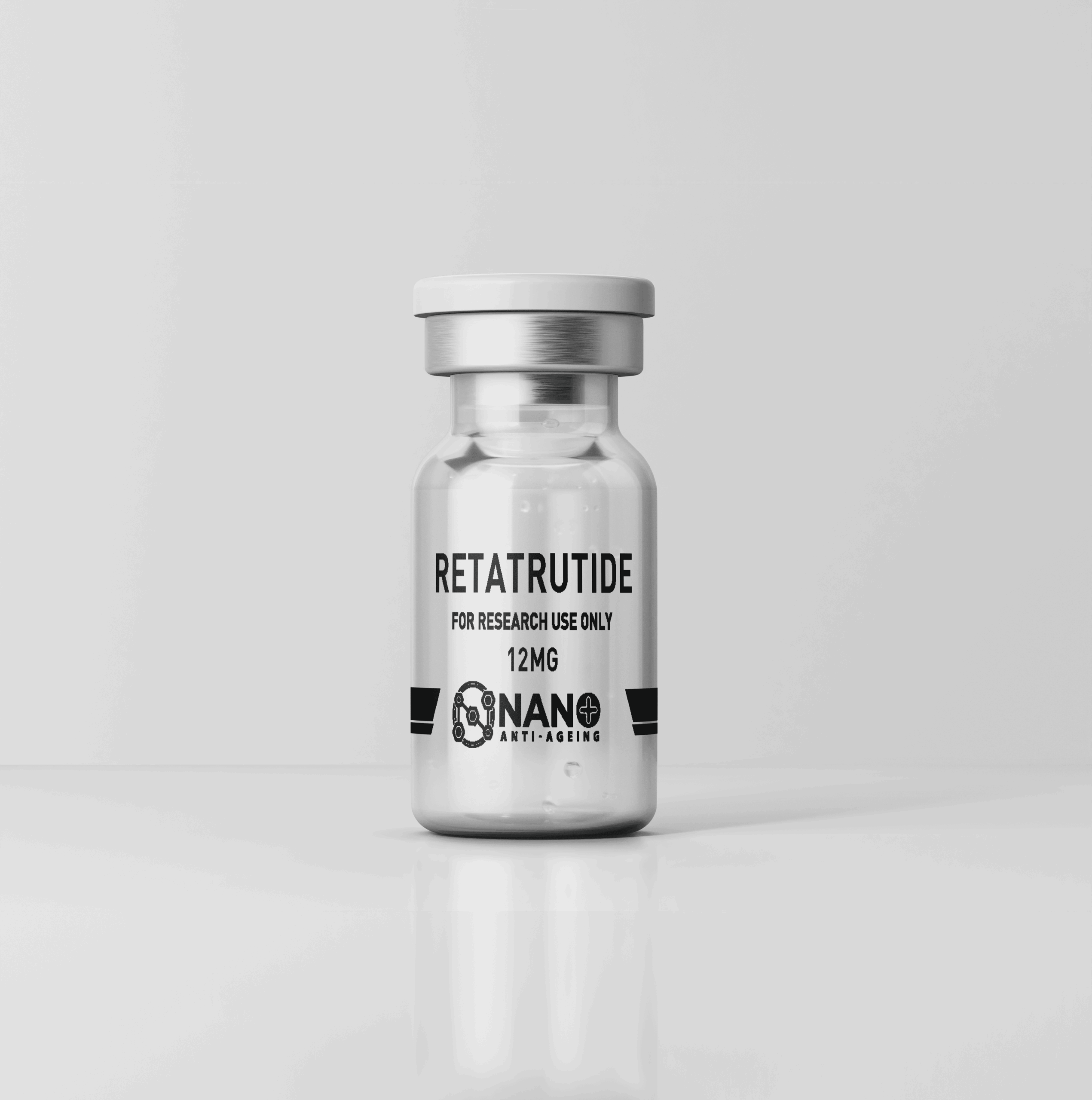
Retatrutide is a novel peptide drug that acts as a triple agonist targeting glucagon-like peptide-1 (GLP-1), glucose-dependent insulinotropic polypeptide (GIP), and glucagon receptors. It is currently in advanced clinical development for the treatment of obesity and type 2 diabetes mellitus (T2DM). By activating these receptors, retatrutide has the potential to significantly enhance metabolic regulation, weight loss, and glycemic control, making it a promising candidate in the field of obesity pharmacotherapy (Sinha & Ghosal, 2025; (Katsi et al., 2025).
Recommended Dosage and Usage
Dosage: The recommended dosage of retatrutide is still being explored in clinical trials, with reports suggesting that doses ranging from 5 mg to 15 mg may be appropriate for effective treatment. In ongoing phase 3 clinical trials, such as the SURMOUNT series, patients receive subcutaneous injections on a weekly basis (Horowitz et al., 2024; Jakubowska et al., 2024). The doses are carefully calibrated to balance efficacy and safety, as well as to optimize patient compliance Urva et al., 2023).
Administration Method: Retatrutide is administered via subcutaneous injection, allowing for direct delivery into the adipose tissue, facilitating its action on metabolic pathways (Horowitz et al., 2024; Urva et al., 2023). This route of administration has been shown to be effective for other peptide-based therapies, providing ease of use for patients.
Clinical Applications
Retatrutide has exhibited significant results in clinical trials, demonstrating substantial weight loss and improved insulin sensitivity among obese patients with T2DM. In doses of 12 mg, participants have seen an average weight loss of approximately 24.2% after 48 weeks, indicating its potential to replicate or even exceed the results of existing treatments like semaglutide and tirzepatide Jakubowska et al., 2024)Li et al., 2024).
- Weight Management: The primary application of retatrutide is in the management of obesity. Its mechanism, which promotes satiety and energy expenditure through multi-receptor agonism, aims to assist individuals who struggle with weight management by mimicking the body’s natural appetite-regulating hormones (Sinha & Ghosal, 2025; (Katsi et al., 2025).
- Glycemic Control: In addition to its effects on weight, retatrutide has shown promise in enhancing glycemic control in patients with T2DM. Activation of the GLP-1 and GIP receptors promotes insulin secretion and sensitivity, improving blood glucose management (Horowitz et al., 2024; Jakubowska et al., 2024).
- Cardiometabolic Benefits: The influence of retatrutide on cardiovascular health is also being investigated, with early findings suggesting improvements in lipid profiles and reductions in inflammatory markers, which are critical for long-term health outcomes in patients with obesity and metabolic syndrome Hudanich et al., 2025)Jakubowska et al., 2024).
Safety and Considerations
The safety profile of retatrutide is still under review as it is in advanced clinical trials. However, like other agents in its class, potential side effects may include nausea, vomiting, and gastrointestinal disturbances, which are typically mild to moderate (Horowitz et al., 2024; Hudanich et al., 2025). Close monitoring during trials has shown that adverse effects are manageable, but caution is warranted as retatrutide becomes more widely used in clinical practice (Katsi et al., 2025).
Conclusion
Retatrutide represents an exciting advancement in obesity and metabolic disease management, with its triple agonist properties targeting GLP-1, GIP, and glucagon receptors. Recommended dosages currently explored range from 5 mg to 15 mg, administered subcutaneously once weekly. It has the potential to significantly impact weight loss and glycemic control while also providing cardiovascular benefits. Continued research and post-market surveillance will be crucial to fully understand its efficacy and safety profile in diverse patient populations.


Reviews
There are no reviews yet.