
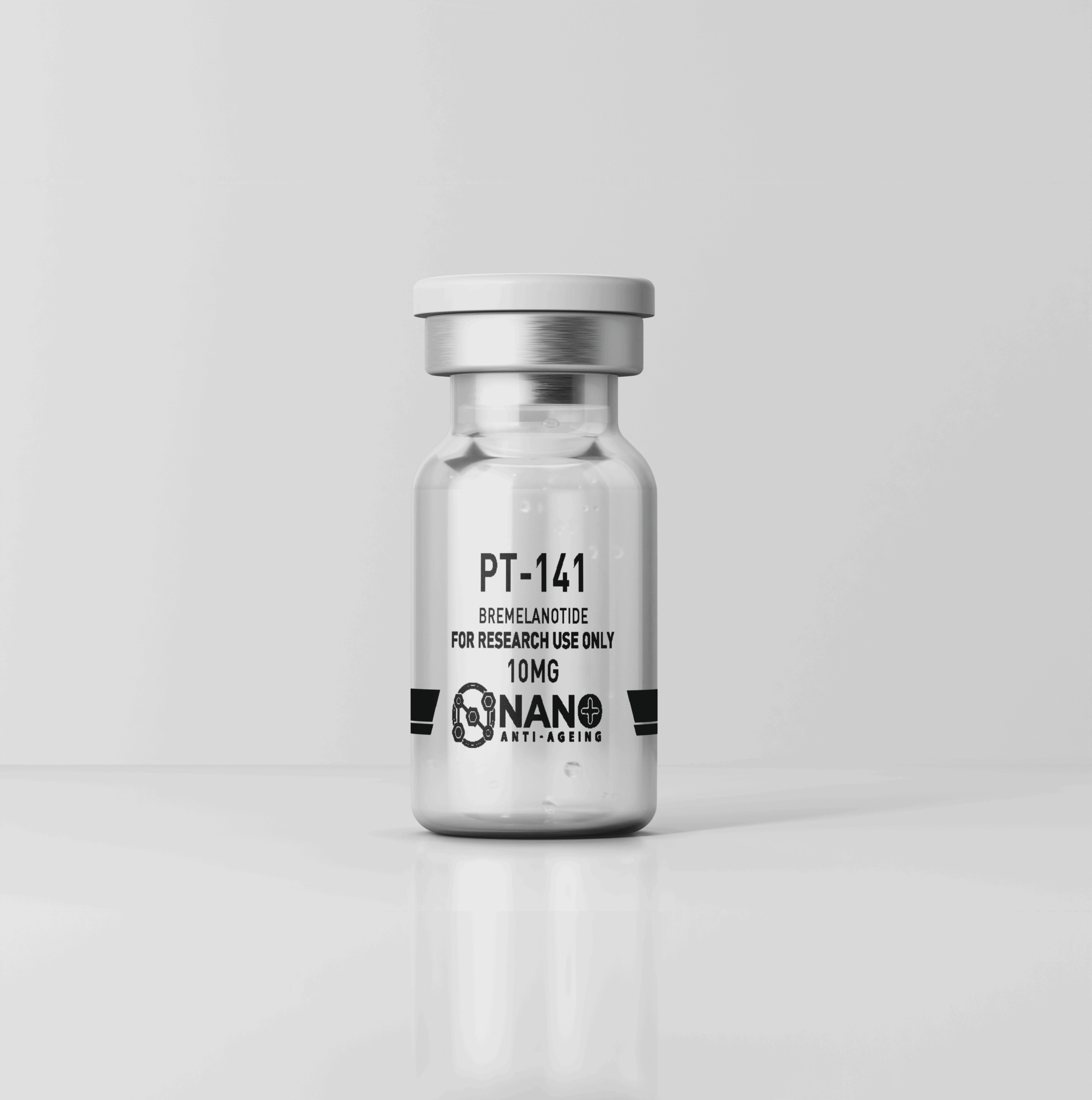
Description
PT-141, also known as bremelanotide, is a synthetic analog of the naturally occurring peptide hormone α-melanocyte-stimulating hormone (α-MSH). It primarily functions as a melanocortin receptor agonist, acting particularly on the melanocortin-3 (MC3R) and melanocortin-4 (MC4R) receptors. PT-141 has emerged as a therapeutic agent for treating sexual dysfunction, particularly erectile dysfunction (ED) in men and hypoactive sexual desire disorder (HSDD) in women ((Rosen et al., 2004; ,Molinoff et al., 2003)).
Recommended Dosage and Usage
Dosage: The typical dosage of PT-141 for clinical use ranges from 1 mg to 2 mg, and it is administered subcutaneously (Diamond et al., 2004). In trials evaluating its efficacy and safety, dosages were found to produce significant improvements in sexual function, with patients responding positively to subcutaneous injections given approximately 45 minutes prior to sexual activity (Diamond et al., 2004).
Administration Method: PT-141 is commonly administered via subcutaneous injection, which is preferred over oral routes due to its enhanced bioavailability and efficacy in achieving desired effects on sexual arousal Molinoff et al., 2003). A pilot study indicated that the subcutaneous route allowed for reliable absorption and clinical results with minimal side effects (Allahdadi et al., 2009; .
Clinical Applications: PT-141’s therapeutic effects on sexual function are extensive. Studies indicate its potential to stimulate sexual arousal and improve erectile function, even in men who have not responded adequately to traditional phosphodiesterase type 5 (PDE5) inhibitors such as sildenafil (Rosen et al., 2004; Molinoff et al., 2003). PT-141 works by acting in the central nervous system to enhance the psychological and physical components of sexual desire, with administration leading to increased activity in specific brain regions associated with sexual behavior (Rosen et al., 2004; .
In women, PT-141 has been shown to improve sexual desire and arousal in individuals experiencing HSDD, marking it as the first pharmacological agent with a developed mechanism targeting sexual desire disorders ((Allahdadi et al., 2009; ,Molinoff et al., 2003)).
Safety and Considerations
While PT-141 exhibits promising results, side effects may include nausea, flushing, headaches, and potential changes in blood pressure. Patients using PT-141 should be advised of these possible effects and monitored accordingly. Additionally, the drug’s ability to cause erections does necessitate careful patient screening to ensure it does not exacerbate underlying cardiovascular conditions (Rosen et al., 2004; Lansdell et al., 2010).
Conclusion
PT-141, as a melanocortin receptor agonist, presents a novel approach to addressing sexual dysfunction. Recommended dosages typically range from 1 mg to 2 mg, administered subcutaneously about 45 minutes before the desired sexual activity. Its efficacy in both men and women offers a promising landscape for therapeutic intervention in sexual arousal disorders, but close monitoring for side effects is recommended. Ongoing research into PT-141 may yield additional insights into its potential applications and safety profile.

Reviews
There are no reviews yet.