
Description
The combination of Ipamorelin and CJC-1295 has garnered significant interest in the realm of peptide therapies, particularly for their synergistic effects on growth hormone (GH) release and their potential applications in muscle recovery, fat loss, and overall metabolic health (Gajda et al., 2018; (Semenistaya et al., 2015; .
Mechanisms of Action
Ipamorelin is a selective agonist of the ghrelin receptor that promotes GH secretion through its action at the growth hormone secretagogue receptor (GHS-R). It stimulates the release of GH without significantly affecting cortisol or prolactin levels, making it a popular choice for individuals seeking an anabolic effect with minimal side effects (Semenistaya et al., 2015; .
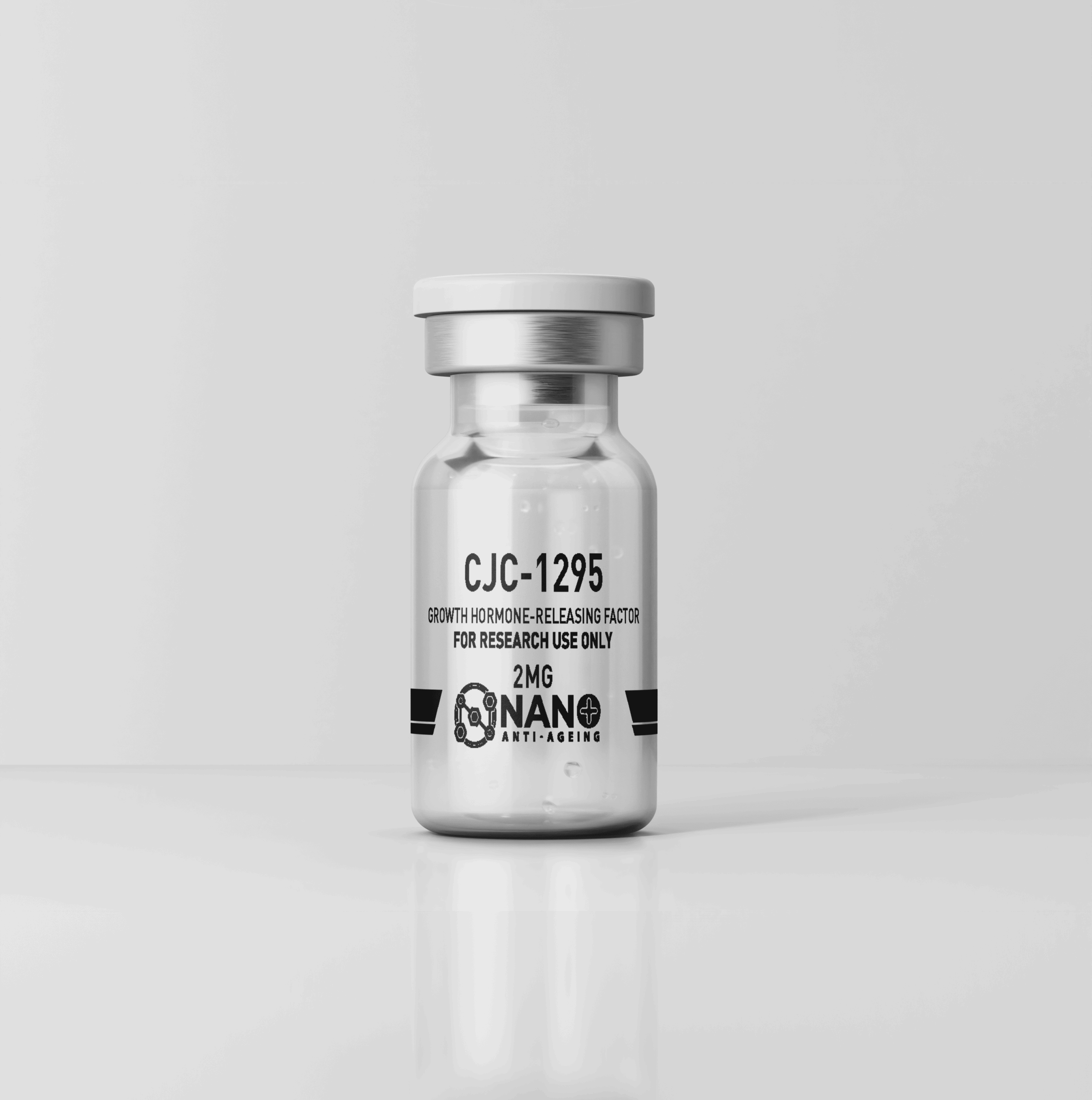
CJC-1295, on the other hand, is a long-acting analog of growth hormone-releasing hormone (GHRH) that enhances the release of GH from the pituitary gland. Its unique structure allows it to bind to serum albumin, extending its half-life and providing a prolonged effect on GH secretion (Timms et al., 2019; Timms et al., 2018). When administered together, these peptides have the potential to produce a more pronounced and sustained increase in endogenous GH levels compared to either peptide used alone (Alba et al., 2006).
Recommended Dosage and Usage
Dosage: Typical dosages for this combination may involve using 100 to 300 micrograms of Ipamorelin administered subcutaneously per injection, along with 1 to 2 mg of CJC-1295 given once or twice per week. Some protocols suggest that athletes and individuals may adjust these ranges based on their specific recovery needs and responses (Jetté et al., 2005; (Arora, 2025).
Administration Method: Both peptides are often administered via subcutaneous injections. This method allows for better absorption and localized action, particularly when combined in post-exercise recovery settings Sackmann‐Sala et al., 2009). Subcutaneous injections can be easily performed by the user, making the regimen more accessible for individuals looking to enhance their performance and recovery cycles.
Clinical Applications
The combination of Ipamorelin and CJC-1295 presents several key clinical applications:
- Enhanced Muscle Recovery and Growth: The increased GH levels stimulated by this combination promote muscle protein synthesis, enhance recovery from exercise, and support overall muscle growth, especially in individuals engaged in resistance training (Gajda et al., 2018; (Semenistaya et al., 2015; Sackmann‐Sala et al., 2009).
- Fat Loss: The anabolic environment created by elevated GH can facilitate fat mobilization, making this combination an appealing option for those aiming to decrease body fat while retaining lean mass (Arora, 2025).
- Overall Metabolic Health: By improving insulin sensitivity and metabolic function, this combination may offer benefits for individuals dealing with obesity or type 2 diabetes, contributing to better management of blood sugar levels and body composition (Semenistaya et al., 2015; .
- Improved Sleep and Recovery: Enhanced GH secretion has been associated with better sleep quality and recovery, further supporting exercise performance and overall health (Semenistaya et al., 2015; Sackmann‐Sala et al., 2009).
Safety and Considerations
While the combination of Ipamorelin and CJC-1295 is generally well-tolerated, potential side effects can include injection site reactions, headache, fatigue, and mild gastrointestinal issues (Hopefl, 1991). Long-term use should be monitored, especially given the potential for increasing GH levels beyond physiological limits, which may carry its own risks, including increased incidence of diabetes and cardiovascular issues (Katragkou et al., 2017).
Conclusion
The combination of Ipamorelin and CJC-1295 presents a promising strategy for enhancing growth hormone release, supporting muscle development, and improving overall metabolic health. Recommended dosages typically range from 100 to 300 micrograms of Ipamorelin combined with 1 to 2 mg of CJC-1295 administered via subcutaneous injection. As research progresses, this peptide combination could become increasingly relevant in both clinical and athletic contexts.

Reviews
There are no reviews yet.