
Description
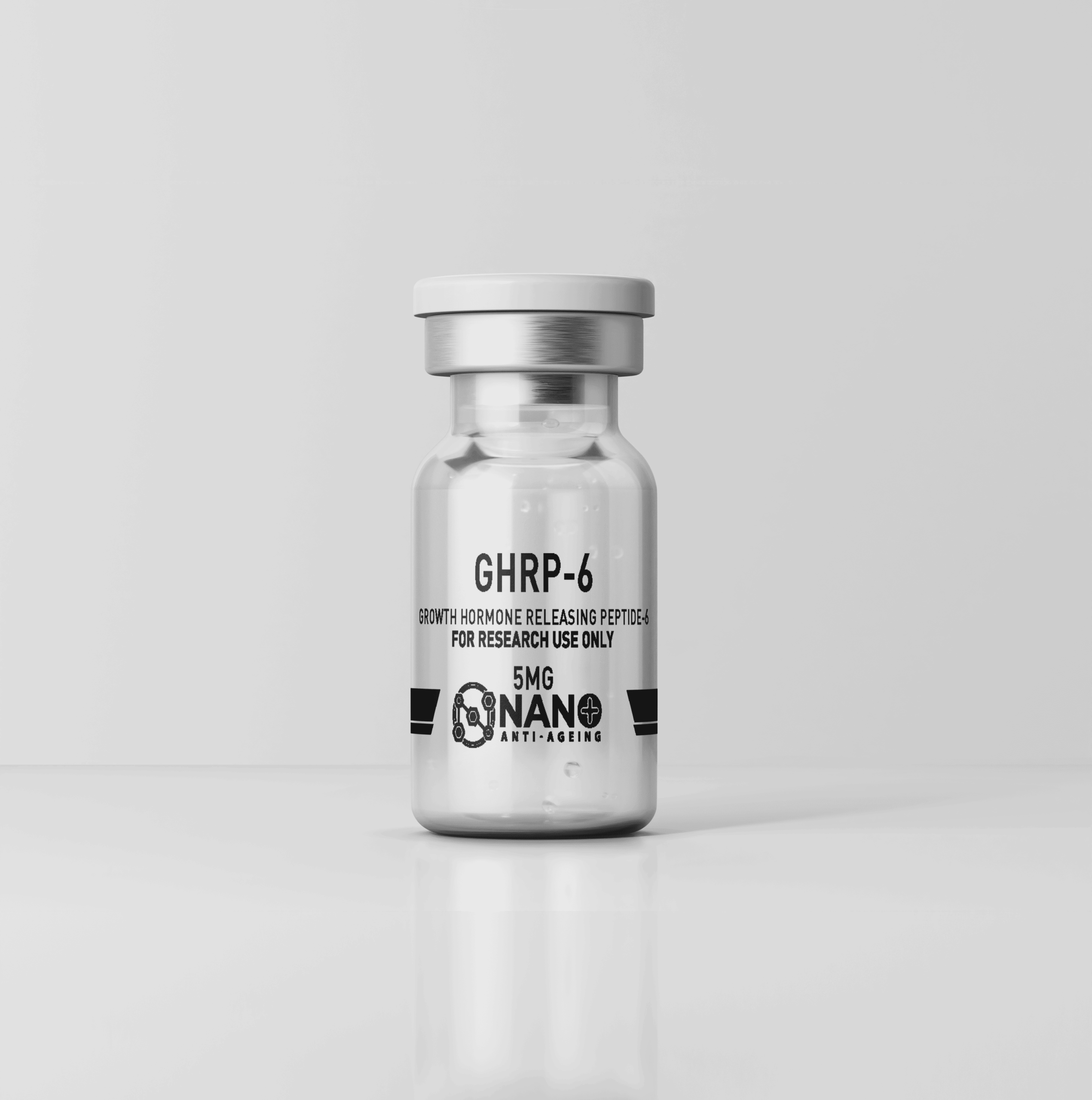
Growth Hormone-Releasing Peptide-6 (GHRP-6) is a synthetic hexapeptide classified as a growth hormone secretagogue (GHS), which stimulates the release of growth hormone (GH) from the pituitary gland. It enhances endogenous GH secretion through mechanisms that may not wholly involve hypothalamic pathways, presenting a potential for therapeutic interventions in conditions associated with GH deficiency and related metabolic disorders (Berlanga‐Acosta et al., 2017; (Martı́nez et al., 2017; .
Recommended Dosage and Usage
Dosage: The recommended dosage of GHRP-6 for adults typically ranges from 100 to 300 micrograms per injection, administered two to three times daily. In some clinical settings or trials, practitioners may utilize higher doses, but always under careful supervision (Berlanga‐Acosta et al., 2017; (Fernández‐Mayola et al., 2018). The exact dosage may also depend on the patient’s specific health condition and treatment objectives regarding GH secretion enhancement.
Administration Method: GHRP-6 is most effectively administered via subcutaneous or intramuscular injections. These methods ensure better absorption and bioavailability compared to oral administration, which has shown varying levels of efficacy in studies (Berlanga‐Acosta et al., 2017; Semenistaya et al., 2015). Recent inquiries into alternative delivery methods, such as intranasal formulations, show potential but are not yet widely applied in clinical settings (Darmawan et al., 2020).
Clinical Applications: GHRP-6 has demonstrated various therapeutic applications, particularly in enhancing muscle mass, improving exercise performance, and supporting recovery after injuries or surgeries (Martı́nez et al., 2017; Semenistaya et al., 2015). Some studies have emphasized its role beyond muscle-related benefits, revealing its potential in reducing keloid and hypertrophic scarring through modulation of cellular processes that govern excessive collagen deposition and fibrotic responses (Fernández‐Mayola et al., 2018). For instance, GHRP-6 has been shown to influence the expression of proteins implicated in fibrosis, indicating its potential in managing aberrant wound healing (Fernández‐Mayola et al., 2018).
Moreover, GHRP-6 may affect appetite regulation due to its structural similarities to ghrelin, the endogenous orexigenic hormone. This characteristic could position GHRP-6 as an interesting candidate for treating conditions linked to metabolic dysfunction, such as cachexia and obesity (Martı́nez et al., 2017; Poppi et al., 2002).
Conclusion
GHRP-6 is a notable peptide recognized for its capacity to effectively stimulate growth hormone release. Recommended dosages typically range from 100 to 300 micrograms, taken several times daily, with careful monitoring of patient response to tailor treatment regimens. Its application extends from muscle growth and recovery to potential uses in managing scarring and metabolic disorders. Ongoing research will likely continue to explore the full range of therapeutic benefits associated with GHRP-6, making it a significant subject of interest in endocrinology and metabolic health.

Reviews
There are no reviews yet.